

Why Is a Resume Important?

A resume is much more than just a piece of paper; it is your personal marketing tool in the competitive job market. For freshers, who may have limited work experience, the resume serves as the first introduction to potential employers and is crucial in making a positive impression.
Here are some reasons why a resume is important:
- First Impression: Employers often spend only a short time scanning resumes to decide if a candidate is worth interviewing. A clear, well-organized resume sets you apart.
- Showcases Your Strengths: It highlights your education, skills, and any achievements, showcasing your potential even without work experience.
- Increases Interview Chances: A tailored resume aligned with the job requirements improves your chances of landing an interview.
- Tells Your Story: Your resume narrates your academic journey, skills development, internships, and projects effectively.
- Enables Targeted Applications: Using keywords from job descriptions helps your resume pass applicant tracking systems (ATS) used by many employers.
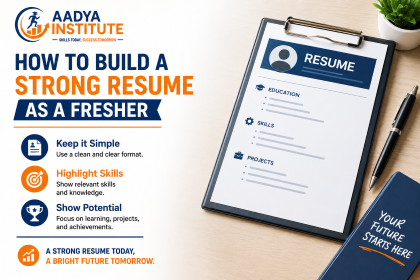
How to Build a Strong Resume as a Fresher
Building an impactful resume starts with a clear structure and focuses on highlighting what you bring to the table
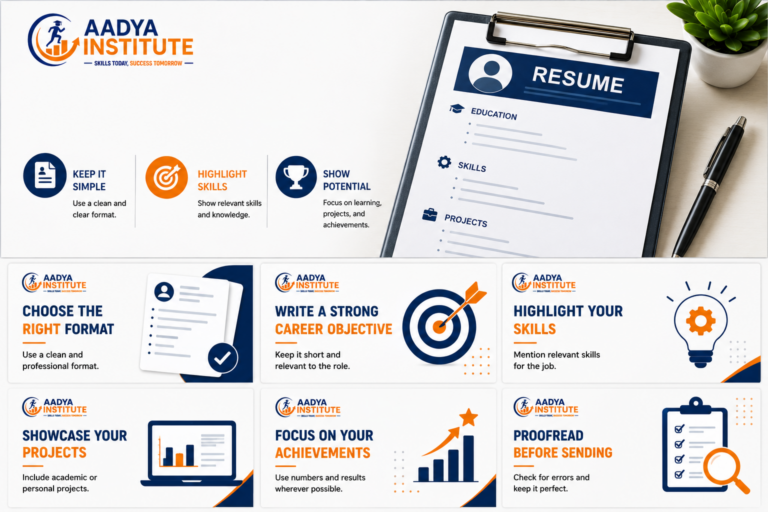
1. Choose the Right Format
As a fresher, a chronological resume format is ideal because it highlights your education and recent achievements first. Opt for a clean, simple layout with a professional font, keeping your resume to one page for readability.
2. Create a Professional Header
Your resume header should include:
- Full name in bold
- Professional email address (avoid casual or unprofessional emails)
- Phone number with country code
- Current city and state
- LinkedIn profile or portfolio link (if available)
3. Write a Concise Resume Objective
An effective resume objective is brief (2-3 lines) but powerful. Clearly state your career goals and what you offer.
Example:
“Enthusiastic Computer Science graduate with strong analytical skills and experience in coding projects. Seeking an entry-level role to utilize programming and problem-solving abilities in a dynamic company.”
4. Emphasize Your Education
As experience may be limited, your education section should stand out. Include:
- Degree name and specialization
- University or college name
- Year of graduation
- Relevant coursework, honors, and awards
- Academic projects that demonstrate skills
5. Highlight Skills
List relevant skills concisely under a clear heading. Include:
- Hard skills: Software knowledge, technical tools, languages, certifications
- Soft skills: Communication, teamwork, leadership, problem-solving
6. Include Internships, Projects, and Volunteer Work
If you have no formal work experience, focus on internships, university projects, or volunteering. Describe your role, responsibilities, and achievements using action verbs such as “managed,” “developed,” or “organized.” This shows your initiative and practical abilities.
7. Tailor Your Resume for Each Job Application
Customize your resume by including keywords from the job description. This not only grabs the employer’s attention but also helps your resume pass automated screening tools (ATS).
8. Keep It Professional and Error-Free
Choose a consistent font type and size, use proper spacing, and organize all sections clearly. Proofread multiple times to eliminate spelling or grammar mistakes since errors can reduce your chances significantly.
Conclusion
A strong resume is a gateway to launching your career as a fresher. By focusing on your education, skills, and relevant experiences, and presenting them clearly, you can make a strong impression on recruiters. Remember to tailor your resume to each job, keep it concise, and proofread it carefully.
A strong resume starts with the right skills. Enroll in Aadya Institute’s Interview Preparation, Software Development, Office Productivity, and Financial Accounting & Taxation courses to gain practical experience, industry-relevant knowledge, and the confidence to impress recruiters. Start building your career today!